Buying SaaS in 2026 is not only about price. You also need clean approvals, better renewal management, clear spend visibility, and fewer last-minute surprises.
If you’re searching “tropic vendr spendflo”, you’re probably trying to separate platform depth from service depth. That matters because these three tools overlap, but they solve different parts of the SaaS procurement workflow.
Where each platform fits in the procurement workflow
As of April 2026, the clearest split is role. Tropic appears broader. It is usually framed as a procurement platform with intake orchestration, approval routing, spend visibility, renewal management, and stronger governance. Vendr is more centered on negotiation support and renewals. Spendflo sits between them, with SaaS-focused workflow automation plus hands-on buying help. A recent side-by-side comparison reflects that pattern, but public summaries are still only a starting point.
Vendor discovery is relevant for some teams, but it is not the core reason to buy any of these tools. None looks like a broad software marketplace first. Tropic seems to lean more into supplier intelligence. Vendr and Spendflo make more sense when your team already knows the vendor and needs help getting the deal done.
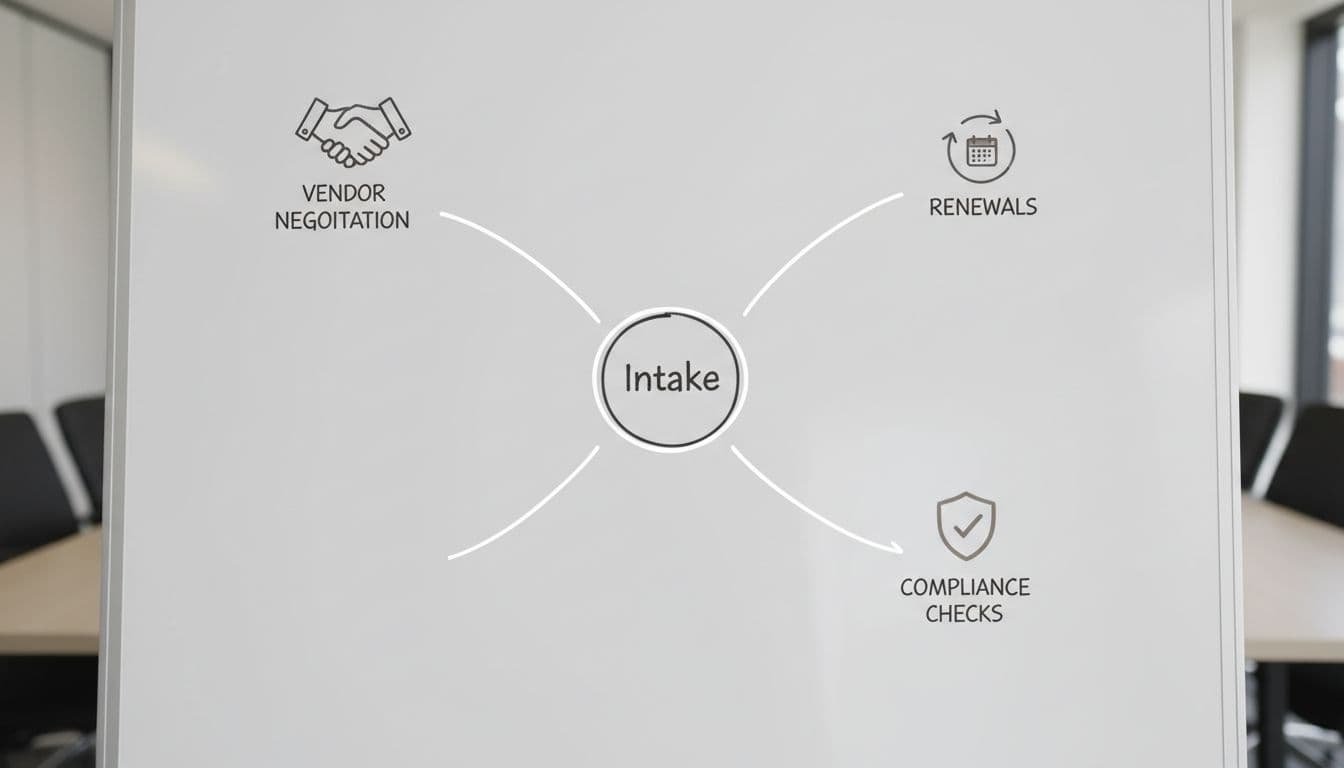
The other split is software versus service. Vendr’s value often depends on its buyer network and deal support. Spendflo also combines software with managed procurement services. Tropic appears to offer service help too, but its appeal is wider process control. For a lean team, that difference is big. If nobody owns your procurement intake process, managed help may matter more than workflow depth. If procurement, IT, and legal already have a defined path, governance and auditability matter more.
If a vendor’s ROI story depends on services, test the service model in the demo, not only the dashboard.
Tropic vs Vendr vs Spendflo at a glance
This table frames the decision by workflow role, not marketing language.
| Platform | Strongest fit | Software role | Service role | Main watchout |
|---|---|---|---|---|
| Tropic | Teams with formal approvals and broader spend oversight | Intake orchestration, spend visibility, renewal management, governance | Negotiation help appears available | May feel heavy for small teams with simple buying needs |
| Vendr | Teams that mainly want negotiation support and renewal help | Buying coordination and renewal support | High service emphasis | Confirm workflow depth beyond deal execution |
| Spendflo | SaaS-heavy teams that want a clear intake front door plus managed help | SaaS procurement workflow, spend visibility, renewals, contract data | Strong managed procurement component | Validate global support and non-SaaS coverage |
The table points to a simple pattern. Tropic is the broader operating system for procurement workflow. Vendr is the most deal-centered. Spendflo is strong when you want SaaS procurement plus hands-on execution without building a large internal process team.
Public pricing is still hard to pin down. For example, the Tropic pricing listing on TrustRadius says public plans are not available, while the Vendr profile on Software Advice gives feature context but not a stable market-wide price benchmark. In other words, treat any pricing claim from review sites as directional. Ask each vendor for packaging, service boundaries, implementation scope, and renewal terms in writing.

Which option fits your team size and procurement maturity
A small company with no procurement owner usually needs one of two things. It either needs a service-heavy partner that can run negotiations and renewals, or it needs a lightweight system that creates order fast. That usually puts Vendr and Spendflo in the first round if your scope is mostly SaaS. Tropic becomes more compelling when finance, IT, security, and legal all need a shared procurement workflow and stronger vendor management controls.
Growth-stage teams should also look at internal resources. If you have a finance lead but no buyer, managed negotiation support can carry real value. If you already have procurement staff, then software depth matters more. In that case, ask how each platform handles approval routing, exceptions, policy enforcement, renewal ownership, and audit history. Those details shape daily adoption.
A practical evaluation checklist
Use the same test for all three vendors:
- Bring three real requests to the demo, one new purchase, one renewal, and one urgent exception.
- Ask them to show the full procurement workflow, from intake to approval to signature.
- Split every promise into two columns, software capability and managed service task.
- Test renewal management with notice dates, owner alerts, and escalation rules.
- Verify spend visibility sources, such as ERP, AP, SSO, contract, and usage data.
- Ask who handles vendor follow-up, legal coordination, and security review when a deal stalls.
- Score governance features, including approval logs, policy checks, and vendor management records.
That checklist also helps if you are refining your SaaS procurement workflow, spend management process, or vendor renewal management playbook.
What comparison content can’t tell you
Comparison articles compress messy reality. Feature names shift, service packages change, and pricing is often custom. Spendflo, for example, is described in public directories as a SaaS procurement and spend platform, but summaries such as the Spendflo profile on Spotsaas still won’t answer how your legal review, InfoSec review, or data integrations will work in practice.
Validate four things in every demo. First, confirm the exact workflow for intake orchestration and approvals. Next, ask for a live renewal management example. Then review data handling, user permissions, and contract storage with security and legal. Finally, ask for references that match your company size, geography, and procurement maturity.
The best choice is the one that matches your operating model. Tropic looks stronger for broader governance, Vendr for negotiation-led support, and Spendflo for SaaS-focused workflow plus managed help.
Build a weighted requirements matrix, then run a pilot using one live renewal and one net-new purchase. That will tell you more than any comparison page.
