Pick the wrong onboarding platform, and every handoff gets heavier. Tasks scatter, customers ask for status, and your team starts running projects in Slack again.
If you’re comparing Rocketlane vs GuideCX, Arrows belongs in the same conversation, especially for HubSpot-led teams. The best choice depends on project depth, customer collaboration, and how much operational control you need after the sale closes.
Start with fit, not feature count.
Where each platform fits best
All three tools sit above generic project management software. They give customers shared plans, milestones, owners, and progress views. Still, they don’t solve the same problem in the same way.
This quick table frames the practical differences.
| Tool | Best fit | What stands out | Main tradeoff |
|---|---|---|---|
| Rocketlane | Mid-market and enterprise SaaS with multi-team implementations | Strong project control, client portal, AI help, broader workflow depth | Heavier setup, may feel like too much for simple onboarding |
| GuideCX | Teams that want structured shared plans and clear progress tracking | Good templates, customer visibility, repeatable execution | Some reported friction around client access and reminders |
| Arrows | HubSpot-centered CS teams with high-touch but simpler onboarding | Fast setup, native HubSpot sync, easy customer experience | Less suited to deep project ops or non-HubSpot stacks |
As of March 2026, public pricing is still hard to compare side by side, because vendors often quote by seats, plan level, or volume. That means buying fit matters more than chasing a price page.
That general pattern lines up with Software Advice’s 2026 comparison and the RevOps Tools profile for Arrows. For small SaaS teams, that’s an important clue. You don’t need the most feature-rich tool. You need the one your team will keep updated after week one.
Core workflow differences matter more than feature lists
Rocketlane and GuideCX often appear side by side because both support customer-facing onboarding at scale. In practice, Rocketlane tends to fit services-led teams that want tighter control over execution, more operational visibility, and stronger links between internal work and customer-facing milestones.
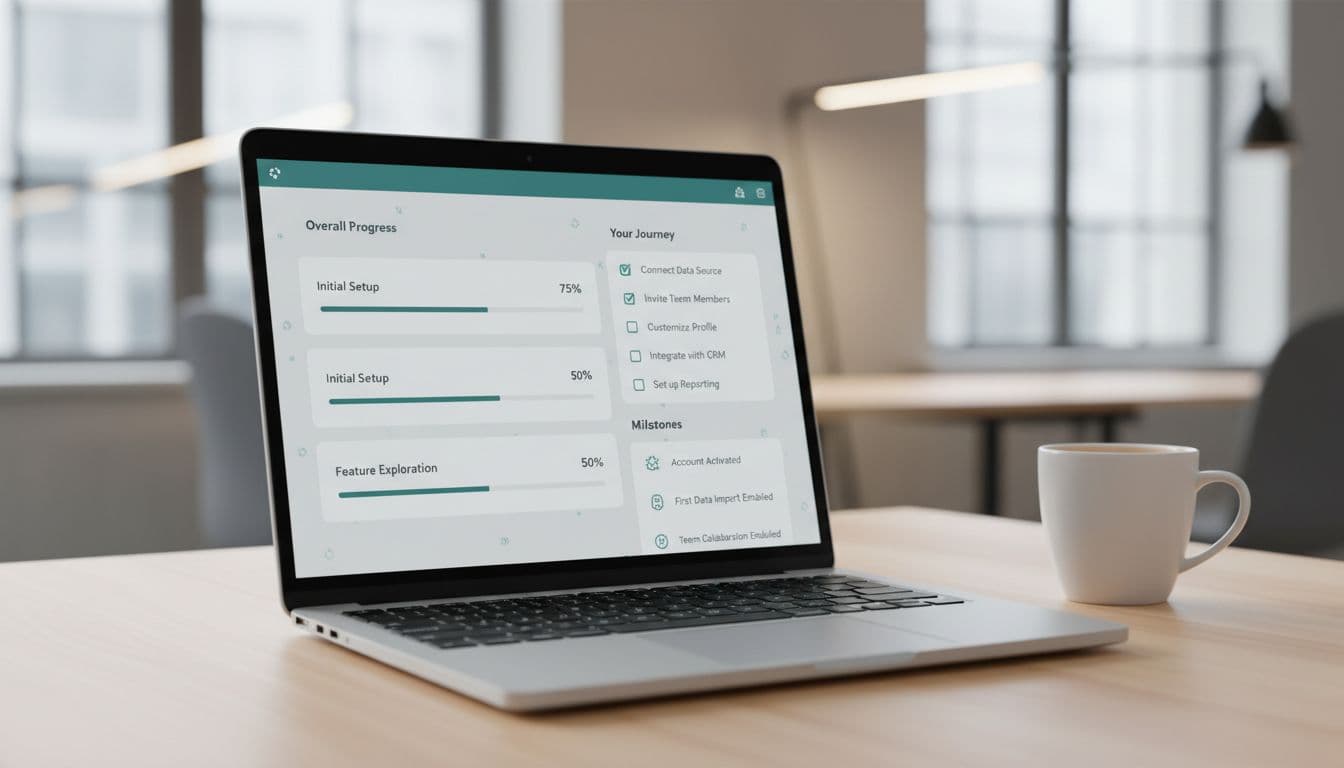
Recent market summaries point to Rocketlane’s AI-assisted project creation, meeting notes, action items, and broader sync options across systems like CRM and collaboration tools. That’s useful when sales, implementation, solutions, and customer success all touch the same rollout.
GuideCX feels more centered on shared visibility and repeatable plan management. For many implementation leaders, that’s enough. Customers can see what’s next, internal owners stay accountable, and templates reduce one-off work. If your team wants structure without too much operational overhead, GuideCX often lands in the middle.
Arrows takes a different path. It makes the most sense when HubSpot is already the center of your post-sale motion. That can be a strong fit for startup SaaS teams, founder-led onboarding, and CS orgs that want customer-facing plans without building a larger implementation system around them.
However, each tool has limits. Rocketlane can feel heavy if onboarding lasts two weeks and rarely crosses departments. GuideCX may be a better middle ground, but some users report friction around client access or reminder flows. Arrows is easy to grasp, yet it doesn’t look like the best fit for deep implementation project management.
Vendor-published resources, like Rocketlane’s 2026 buyer guide and GUIDEcx’s 2026 platform roundup, can help with current positioning, but they shouldn’t replace a live workflow test.
When onboarding software is worth it, and what must exist first
Not every SaaS team needs a customer-facing onboarding platform. If onboarding is short, low-touch, and mostly internal, a simple PM tool may do the job. Once customers need shared tasks, document requests, milestone reviews, and live status, dedicated onboarding software starts to pay for itself.
The real line isn’t team size alone. It’s process complexity. A five-person SaaS company with custom integrations may need Rocketlane or GuideCX sooner than a 40-person SaaS company with a simple self-serve setup.
The tool won’t fix a messy handoff. It only makes the mess easier to see.
Before rollout, lock down five basics: your customer onboarding process, segment-specific templates, clear owners, CRM field hygiene, and a definition of first value or go-live. Without that, the software becomes a prettier spreadsheet.
This is also where teams often fail adoption. They copy a broken process into the tool, force every customer into one template, or skip internal training. Then reps stop updating fields, CSMs work around the system, and customers ignore the shared plan.
If you haven’t documented onboarding checklists, implementation project management rules, or handoffs into customer success software, fix that first. Also map any SaaS automation workflows you expect, such as deal-stage changes, alerts, or task creation from CRM data. Those basics matter more than any dashboard.
How to pick the right one for your team in 2026
A good shortlisting rule is simple: buy for the onboarding motion you already run, not the one you hope to run next year.

- Choose Rocketlane if you run longer, multi-team implementations and need tighter operational control, stronger workflow depth, or more system sync across departments.
- Choose GuideCX if customer visibility and repeatable plans matter most, and you want less operational weight than a more services-heavy platform.
- Choose Arrows if HubSpot is central, your team is small to mid-sized, and fast rollout matters more than advanced project controls.
- Choose simpler internal tooling if onboarding is light, mostly internal, and customers don’t need a shared workspace.
No matter which way you lean, pilot the tool with one segment first. Measure kickoff speed, customer task completion, and time to first value. Also confirm your non-negotiable integrations early, whether that’s HubSpot, Salesforce, Slack, Jira, or something else in your post-sale stack.
The next step
The wrong onboarding platform doesn’t fail in the demo. It fails three weeks later, when a customer asks for status and your team checks four systems.
For most buyers, Rocketlane vs GuideCX comes down to project depth and operational control, while Arrows suits a simpler, HubSpot-first model. Map one live onboarding journey, list your must-have integrations, and run a small pilot before you commit.
The cleanest choice is the one your team and your customers will both use.
