Picking the wrong sales engagement tool can slow a small team for months. In outreach vs salesloft vs apollo, the real choice isn’t feature count. It’s whether you need a sequencing engine, a prospect database, or both.
As of March 2026, Outreach and Salesloft still look like engagement-first platforms. Apollo sits closer to an all-in-one motion, mixing prospect data, outreach, and lighter setup. That makes the comparison useful for founders, lean sales teams, and anyone trying to avoid a bloated stack.
Start with the core tradeoff, then the rest of the decision gets much easier.
Quick comparison at a glance
Here’s the short version before the deeper tradeoffs.
| Platform | Best fit | Strongest angle | Main tradeoff | Setup posture |
|---|---|---|---|---|
| Outreach | Mid-market to enterprise | Advanced sequencing, coaching AI, governance | Higher cost, longer rollout | Usually 8 to 12 weeks, custom pricing |
| Salesloft | Growing teams that want strong engagement without maximum admin load | Solid cadences, coaching, rep-friendly adoption | Less compelling prospect data, weaker built-in warmup signals | Often 4 to 8 weeks, custom pricing |
| Apollo | SMBs, founder-led outbound, all-in-one buyers | Huge contact database, low-cost start, quick setup | Lighter enterprise controls, AI depth trails Outreach | Fast start, free tier and paid credit plans |
If your main pain is finding people to contact, Apollo usually moves fastest. If your pain is orchestration, governance, and coaching across a team, Outreach or Salesloft usually fit better. The RevOps comparison of Outreach and Salesloft points to the same gap from an ops view.
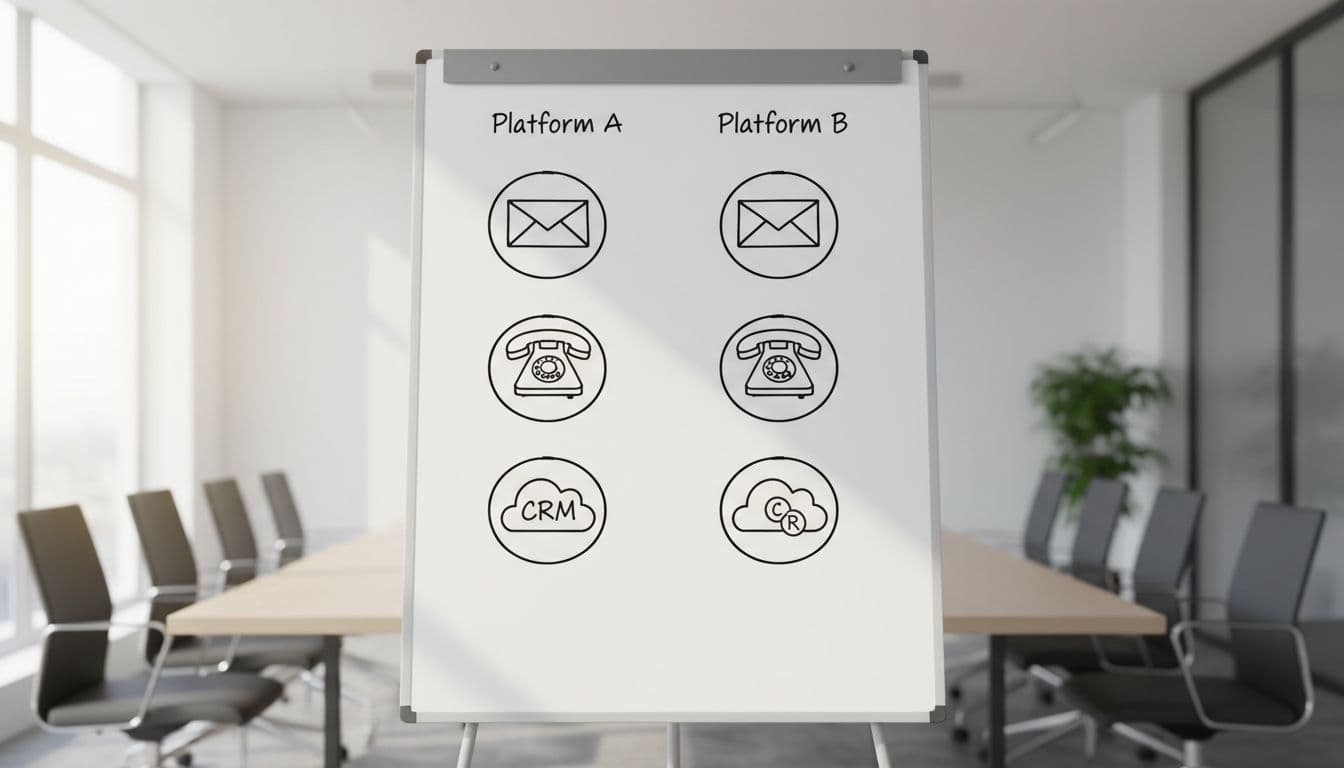
What you’re actually buying, engagement or data
This distinction trips buyers up. Sales engagement software handles sequences, calls, tasking, CRM sync, analytics, and rep workflow. Prospect data tools handle contact discovery, enrichment, and list building.
Outreach and Salesloft are engagement-first. Apollo blends both categories, which is why it can look cheaper at first glance. On Apollo’s platform overview, the database sits at the center of the product, not off to the side as an add-on.
Think of your CRM as memory and your engagement tool as the metronome. If you already buy data elsewhere, Outreach or Salesloft may give you a cleaner stack. If you’re still sourcing leads by hand, Apollo can remove that extra vendor and speed up first campaigns.
How the tradeoffs show up in daily use
Outreach tends to lead on advanced workflow control. Its current positioning centers on Kaia, coaching, meeting help, prospect scoring, and routing. That matters when managers want tighter governance, clearer next-step guidance, and reporting that rolls up well across teams.
Salesloft stays closer to balance. It covers the core engagement job well, including cadences, calling, and analytics, but often feels easier for reps to adopt. For many mid-sized teams, that lower admin burden matters as much as one extra AI feature.

Apollo’s strength is speed. You can source prospects, enrich records, build a sequence, and start sending from one place. For a founder or two-person outbound team, that’s hard to ignore. Still, its engagement layer is usually less deep than the enterprise-focused tools.
Buying one platform for data and outreach saves money only if the data quality fits your market.
Deliverability also needs context. Based on current third-party reporting, Apollo more clearly emphasizes built-in warmup, while Outreach and Salesloft place less weight on that in public positioning. Yet list quality, domain setup, and sending behavior still matter more than any vendor claim. Pricing follows the same pattern. Outreach often lands highest, Salesloft sits in the middle, and Apollo starts lowest, though packaging can change quickly. See this Apollo pricing breakdown and SalesLoft pricing breakdown for recent examples.
Best fit by team size and stack choice
For SMBs and solo operators, Apollo is the easiest place to start. The mix of database, sequencing, and lower entry cost matches teams that need meetings fast and don’t have a dedicated RevOps owner.

For mid-market teams, the decision gets tighter. Choose Salesloft when fast rollout and rep adoption matter most. Pick Outreach when leadership wants deeper automation, AI coaching, and more control over routing or governance. If you already pay for a separate data provider, that may tilt the math away from Apollo.
Enterprise teams usually lean engagement-first. Outreach often fits large, process-heavy sales orgs. Salesloft can fit enterprises too, especially when the goal is strong execution without as much admin weight. Apollo can still work, but it usually makes the most sense when all-in-one simplicity matters more than deep controls.
Prerequisites, implementation, and switching risks
Before any demo, clean your CRM fields, define lifecycle stages, decide who owns replies, and set domain rules for sending. Also map call recording and compliance needs early. A fancy sequence builder won’t fix broken lead status, duplicate accounts, or weak mailbox setup.
Implementation time also shapes fit. Current estimates put Apollo at the fast end, Salesloft around a few weeks, and Outreach longer because teams often configure more. The hidden cost isn’t only onboarding. It’s rep retraining, template migration, sync logic, dashboards, and lost history when you switch.
The most common mistake is buying category breadth when you really need process discipline. The second is overvaluing AI demos before testing CRM sync, activity logging, and report accuracy.
Use this shortlist before you book final demos:
- Primary job: Is the bigger problem prospecting or engagement execution?
- Data stack: Do you already have a data vendor you trust?
- Admin load: How much monthly ops time can your team support?
- Reporting: Which reports must match the CRM on day one?
The best choice comes down to your main bottleneck. Apollo fits teams that need data plus outreach in one place. Outreach and Salesloft fit teams that treat sales engagement as a deeper operating system.
Build a two-tool shortlist, run one real sequence in each, and compare results inside your CRM, not only in the demo.
Then pair this comparison with related reads on sales engagement tools, outbound prospecting workflows, CRM integration setup, and sales automation comparisons.
